
What AI and agents mean for marketing teams — now and in the future

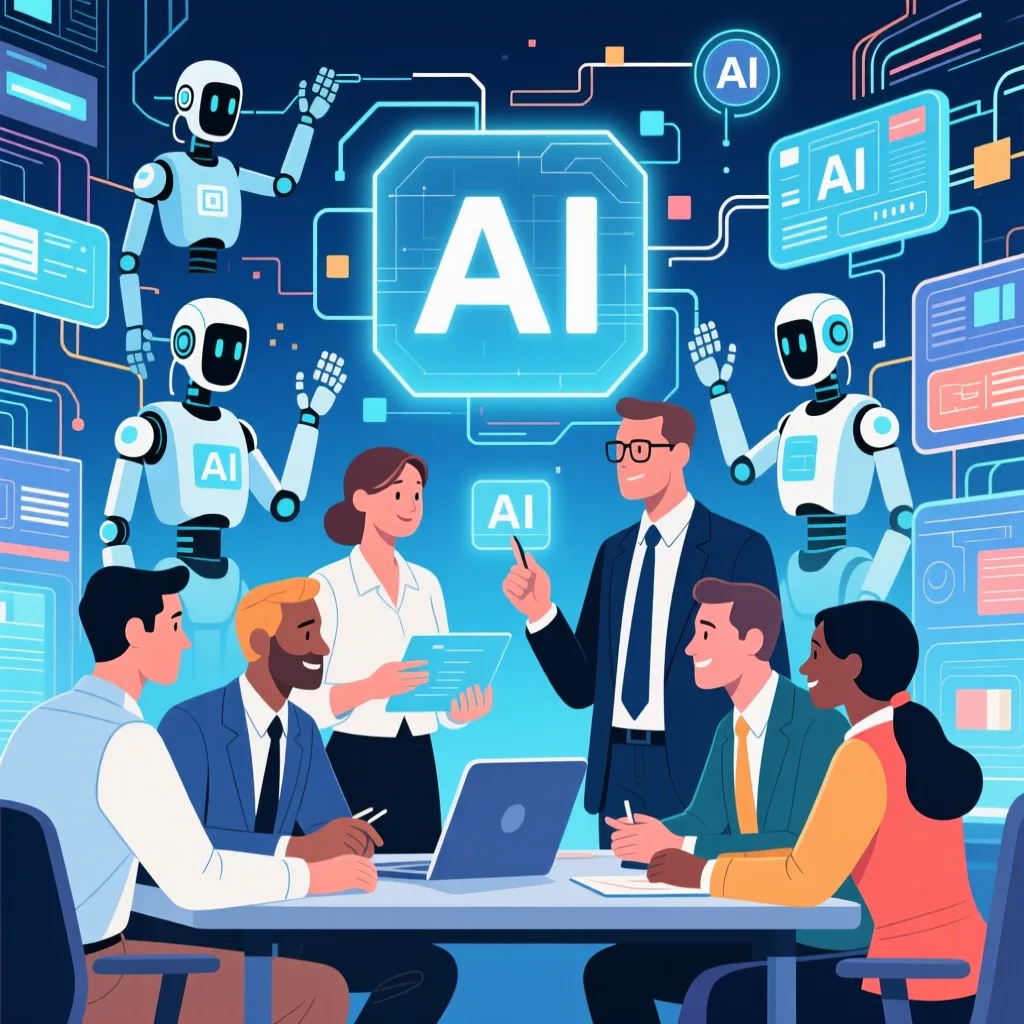
What AI and Agents Mean for Marketing Teams — Now and in the Future
Introduction
Artificial intelligence (AI) is rapidly transforming the marketing landscape, and at the November MarTech Conference, experts unveiled how AI-powered agents are fundamentally reshaping marketing teams and their workflows. These agents bring speed, autonomy, and adaptability to marketing operations, driving efficiency and stronger customer connections. This article explores the implications of AI agents for current marketing practices and what the future holds.
The Rise of AI Agents in Marketing
AI agents differ from traditional automated tools. Rather than completing fixed tasks, these agents independently reason, adapt to changing conditions, and execute complex plans with minimal human intervention. This autonomy enables marketing teams to accelerate workflows, streamline processes, and respond to customers more promptly and personally.
This new breed of AI requires marketing leaders to rethink governance frameworks and ethical guidelines. Since agents act with a degree of independence, oversight is critical to ensure alignment with brand values and regulatory compliance.
Elevating Human Roles, Not Replacing Them
Contrary to fears of automation replacing jobs, AI agents primarily free marketers from routine, repetitive tasks. This shift allows human professionals to focus on higher-value activities such as strategic planning, creative judgment, and applying deep domain expertise.
Elevating human roles means marketing teams can leverage AI-powered insights and recommendations, but maintain decision-making authority. This partnership fosters innovation and drives more impactful campaigns.
Best Practices for Integrating AI Agents
Marketing leaders aiming to maximize AI benefits should start by mapping existing workflows to identify automation opportunities. Avoid isolated pilot programs that silo AI efforts, and instead promote consistency across departments in data use and software tools.
Success measurement should prioritize cost per outcome and ensure AI initiatives align with overarching business goals. This approach strengthens ROI and justifies further AI investments.
Key Takeaways
- AI agents autonomously manage complex marketing tasks, accelerating workflows and enhancing customer engagement.
- Governance and ethical oversight are essential in deploying autonomous AI agents.
- AI empowers marketers to focus on strategy and creativity rather than routine tasks.
- Consistent data management and cross-department coordination optimize AI integration.
- Measuring success by business outcomes ensures AI efforts generate real value.
Conclusion
AI agents represent a transformative force for marketing teams, not replacing human talent but amplifying it. The future of marketing lies in redesigning workflows where technology and human insight scale together with integrity, speed, and context. By embracing this evolution thoughtfully, marketing leaders can unlock unprecedented efficiency and deeper customer connections in a rapidly changing digital world.
Source: https://martech.org/what-ai-and-agents-mean-for-marketing-teams-now-and-in-the-future/