
Why your martech still feels like a cost center — and how AI changes that

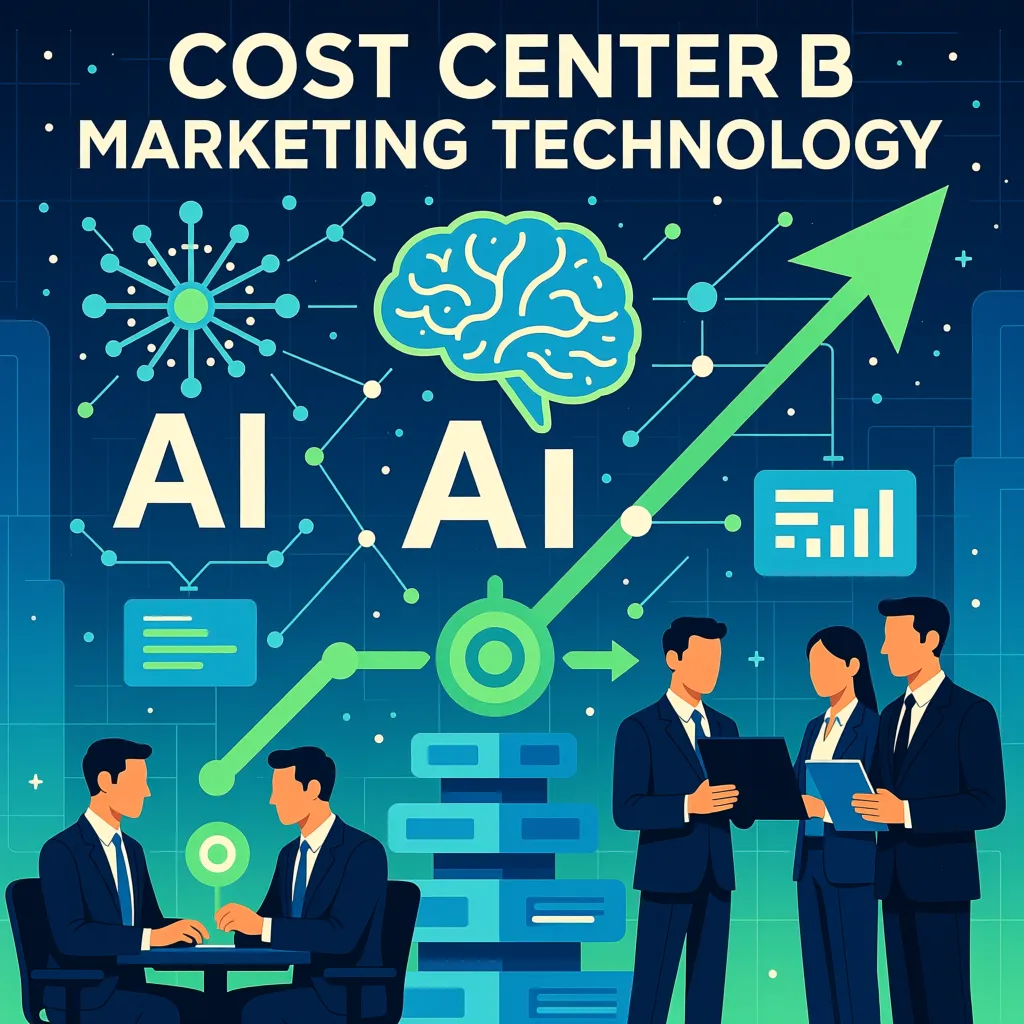
Transforming Your Martech from Cost Center to Growth Driver with AI
Introduction
Many organizations invest heavily in marketing technology, known as martech, with hopes of driving business transformation and competitive advantage. However, despite significant spending, martech often feels like a mere cost center rather than a strategic asset delivering measurable results. This disconnect frequently arises not from technology limitations, but from challenges related to organizational structure, strategy, and execution.
This article explores why martech investments struggle to prove their value, identifies key barriers, and highlights how artificial intelligence (AI) can reshape the martech landscape to create real business growth.
Why Martech Often Feels Like a Cost Center
Organizations face several persistent issues that prevent martech from reaching its full potential:
- Lack of Executive Sponsorship: Without authentic support and understanding from leadership, martech initiatives struggle to align with core business objectives.
- Complex and Fragmented Tech Stacks: Multiple disconnected marketing tools inhibit the ability to unify customer data, creating silos instead of seamless experiences.
- Inadequate Measurement of ROI: Companies frequently lack effective metrics to demonstrate the financial impact of martech investments.
- Talent and Capability Gaps: Marketers often do not have the skills to leverage advanced technologies or interpret data insights properly.
These challenges lead to inefficient deployments and missed opportunities, making martech appear as a cost rather than a growth enabler.
How AI Changes the Martech Equation
Artificial intelligence introduces new capabilities and perspectives that can reset and advance the effectiveness of martech:
- Emphasizing First-Party Customer Data: AI-driven analysis of direct customer data enables highly personalized and responsive marketing strategies, creating competitive differentiation.
- Simplifying the Tech Stack: AI can help unify disparate platforms through integrated analytics and automation, reducing complexity and operational friction.
- Developing AI Competencies: Building core skills in AI integration, customer journey orchestration, and predictive analytics equips marketers to become strategic leaders.
By harnessing AI, organizations can transform their martech from a cost-focused expense into a strategic asset that drives measurable business outcomes.
Becoming Strategic Leaders in Martech
For martech to deliver its potential:
- Marketers must position themselves as bridges between technology and business goals.
- Foster cross-functional collaboration to ensure alignment and leverage diverse capabilities.
- Invest continuously in skill development to keep pace with evolving AI tools and marketing analytics.
This transformation requires a cultural and organizational shift focused on agility, data fluency, and customer-centricity.
Key Takeaways
- Lack of executive buy-in and fragmented tech stacks undermine martech effectiveness.
- Measuring and proving ROI is critical to justify martech investments.
- AI offers a unique opportunity to revamp martech by focusing on first-party data, tech simplification, and skill development.
- Marketers need to evolve into strategic leaders who unify technology and business initiatives.
Conclusion
Marketing technology no longer needs to be perceived as a cost center burdened by complexity and poor ROI. By embracing AI and addressing organizational challenges, martech can become a powerful driver of growth and customer engagement. The future of marketing lies in combining sophisticated technology with strategic leadership and cross-functional collaboration—a combination that unlocks martech’s true value and sets the stage for ongoing innovation and success.
Source: https://martech.org/why-your-martech-still-feels-like-a-cost-center-and-how-ai-changes-that/